

Vancouver Island winters are mild, but they are also damp and breezy, and a drafty house feels cold even when the thermostat says 21. Drafts make rooms uncomfortable and make your heating work harder. Many fixes are cheap and you can do them yourself. This guide covers where air leaks hide, how to find and seal them, why ventilation must stay open, and how rebates and an EnerGuide evaluation fit in.
What Is Draft Proofing?
Draft proofing (also spelled draught proofing, or draftproofing on Better Homes BC pages) means sealing the gaps and cracks in your home's outer shell so that outside air stops flowing in and heated air stops flowing out. Done well, it cuts heat loss, makes rooms feel warmer at the same thermostat setting, and removes cold spots. Natural Resources Canada's Keeping the Heat In guide treats air leakage control as a core part of any retrofit, next to insulation.
Where the Leaks Usually Are
Government guidance points out that the bigest leaks are often hidden in the attic and the lowest floor, not at the windows you can feel. Start with a slow walk through the house, top to bottom, and look at each of these:
| Location | What to look for | Usual fix |
|---|---|---|
| Attic hatch | Bare lid, no seal | Weatherstrip and insulate |
| Top plates, wiring holes | Gaps where walls meet the attic | Caulk or foam from above |
| Pot lights | Open fixtures in the ceiling | Ask an electrician |
| Pipes and vents | Gaps around plumbing | Caulk or expanding foam |
| Outlets and switches | Cold air on exterior walls | Foam gaskets |
| Windows and doors | Worn or missing seals | Weatherstripping, door sweep |
Also check baseboards, chimneys and the gaps around pipes. A tea-light candle held near the edges of closed windows and doors will show a leak when the flame flickers. Keep it away from curtains and never leave it unattended.
Seal the Attic First
Warm indoor air rises, so leaks in the ceiling lose the most heat and carry the most moisture. The hatch, the tops of the walls, wiring holes and open pot lights are all paths. Sealing them before adding insulation matters, because loose insulation does not stop air movement as well as a sealed gap does.
Pot lights need care. Fixtures not rated for insulation contact can overheat if covered, so do not bury them. Ask a licensed electrician to confirm what you have. The same goes for anything near wiring: seal around it, never block it.
Most homeowners who inspect their own attic put their head through the hatch and decide everything is fine. A no-charge inspection from our team means photos of what is actually there, taken while you stay on the floor. If the hatch is the weak point, attic hatch covers seal and insulate it, and attic insulation restores depth. If the floors are cold too, the crawl space may be next: cold feet on the main floor are a clue to check crawl space insulation.
Outlets, Switches, Pipes and Windows
Outlets and switches on exterior walls leak more than most people expect. Fit foam gaskets behind the cover plates, with the power switched off at the breaker first, and fit plug covers in outlets you do not use. They cost little and the savings add up over a winter. If you are unsure about handling wiring, ask an electrician.
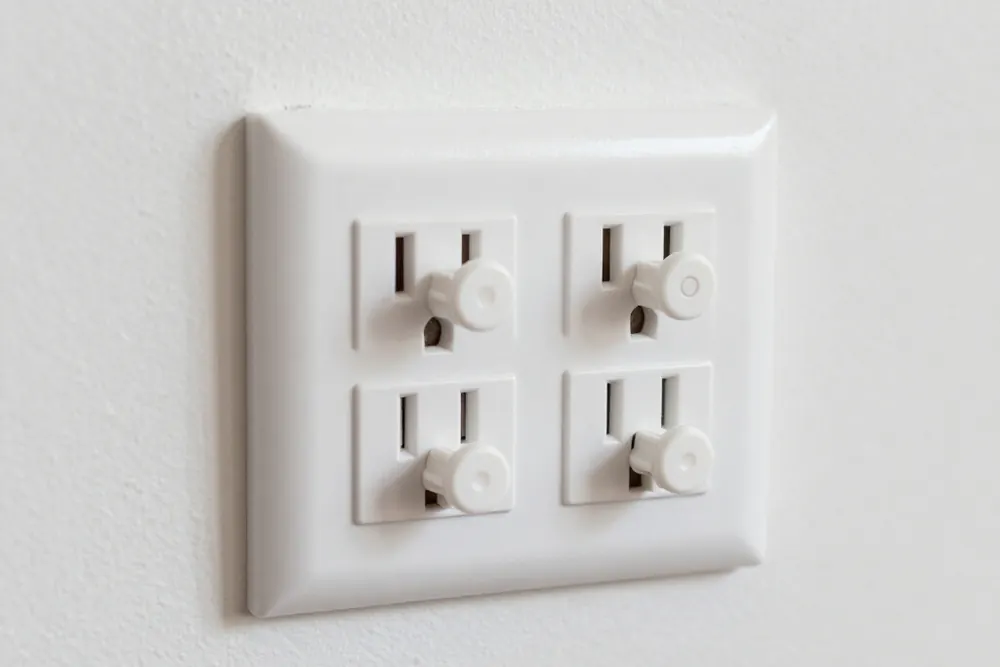
Where plumbing enters the house, around sinks, toilets and washing machine connections, seal gaps with caulk or expanding foam. For windows and doors, replace cracked weatherstripping, caulk frames where they meet the wall, and add a door sweep. A draft stopper along the base of a door is a cheap extra, and closing drapes and blinds at night keeps more heat in while open ones let the sun help by day.
Damp Coastal Air and Ventilation
This is the step people skip. The more you seal, the less fresh air enters on its own, and indoor humidity rises. A sealed-up home on the wet coast can collect condensation on windows, and in the attic that moisture feeds mold. Kitchen and bathroom fans should work and vent outside, and the attic still needs a clear path for air at the soffits and near the peak. See attic ventilation if the space smells damp, and mold stain removal if the wood is already marked.
There is also a safety point. Researchers at Lawrence Berkeley National Laboratory note that tighter houses depressurize more readily when exhaust fans run, which can cause backdrafting of vented gas or wood appliances. If you have a gas furnace, water heater or wood stove, have a qualified technician check venting after major sealing. Never seal vents that appliances need.
Measuring Results With a Blower Door
A blower door test puts the house under a set fan pressure and measures how much air leaks through the shell, which finds leaks you cannot see. It is part of the EnerGuide home evaluation process.
Rebates and Evaluations
Better Homes BC states that there is currently no individual rebate for draftproofing alone, but draftproofing can raise the Home Energy Improvement Bonus, which depends on evaluations done before and after the upgrades by a program-qualified energy advisor. How much it adds depends on how leaky the house was and how well the work is done. Rebate programs change, so confirm current terms on the Better Homes BC site before you start.
Get Connected With Our Insulation Experts
Draft-proofing handles the small gaps. The big ones, in the attic and crawl space, are where we work. A no-charge inspection tells you how your insulation looks, whether ventilation is clear, and what to fix first, and we provide guidance with government rebates.
Visit Attics.ca to see everything we do, or call (833) 422-8842 to talk with our insulation experts. We reply to calls and form requests Monday to Friday, 8:00 am to 4:30 pm, and every free inspection starts with a visit to your attic or crawl space.