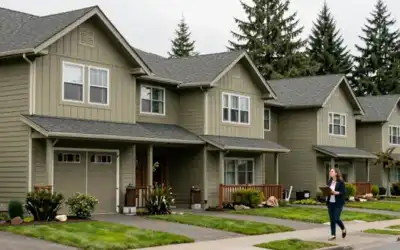
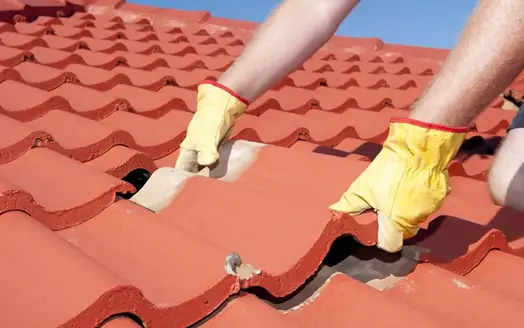
The roof is the first layer of defense for your house, and the attic sits right under it. Attics.ca does not install roofs, but the material you choose changes how the attic behaves. This guide covers the main roofing materials, weight, lifespan, moss, fire rating, noise, and how each choice affects attic ventilation and insulation.
Why the Roof and Attic Work as One System
Rain and snow stay out because of the roof covering. Moisture, heat and air movement are managed by the attic below it. If one fails, the other pays: a leak soaks insulation, and a damp, poorly vented attic rots sheathing from underneath.
So choose a material in this order: what your framing can carry, what your climate does to it, what fire risk your property faces, and only then looks and price. A good contractor will also ask what is under the roof, not just what goes on top.
Start With Weight and Framing
Weight comes before appearance. Asphalt shingles and metal panels are light. Concrete tile, clay tile and slate are far heavier, and older or lightly built roof framnig may need to be reinforced before they can be installed. Natural tile was already described as unsuitable for light or prefabricated structures in the old version of this guide, and that still holds.
If you are switching from shingles to tile, ask for a written structural check from an engineer or the installer before you sign. Do not guess, because a roof that sags also crushes the insulation and blocks airflow at the eaves.
Roofing Materials Compared
The U.S. Forest Service roofing guide (written for buildings in a range of climates) gives these typical lifespans. They are ranges, not guarantees, and your local weather, moss and maintenance move them.
| Material | Typical lifespan | Weight | Cost tier |
|---|---|---|---|
| Asphalt shingles (fiberglass) | 15 to 25 years | Light | Lowest |
| Metal panels | 20 to 50+ years | Light | Middle to high |
| Cedar shakes | 20 to 30 years with upkeep | Moderate | Middle to high |
| Concrete tile | 40 to 50 years | Heavy | High |
| Clay tile or slate | 50+ years | Heavy | Highest |
Synthetic (composite) shakes and slates imitate cedar or slate at lower weight. Lifespan and fire ratings vary by manufacturer, so ask for the product's published rating and warranty terms instead of relying on a sales claim. Copper is among the longest-lived metals and needs little maintenance, but it sits at the top of the cost range.
The original guide also warned about old cement-sheet "slate" roofing. Some older products contain asbestos, so do not cut, drill or break up an old roof of unknown type. Ask a professional to identify it first.
Moss, Rain and the Coastal Climate
Vancouver Island is wet, shaded by tall trees, and humid for much of the year. That is exactly where moss thrives. This Old House notes that moss holds moisture against the roof, lifts and separates shingles, and shortens roof life. It grows best with frequent rain, shade, and debris on the roof.
Practical steps for a wet-coast roof:
- Trim branches so sun and wind reach the roof surface.
- Keep gutters and valleys clear of needles and leaves.
- Install zinc or copper strips near the ridge; rain carries metal particles down the slope and discourages growth.
- Remove moss with a soft brush, not a pressure washer, which can strip granules from shingles. Cedar shakes need extra care because moss sits in the gaps.
Metal and tile shed moisture better than shaded shingles or shakes, but none of them is immune. If moss has been holding water against a roof for years, check the attic underside of the sheathing for dark stains. Staining and mold are a job for mold stain removal after the leak is fixed.
Fire Rating and Wildfire Risk in BC
Roofs are the most exposed part of a house to wildfire embers. FireSmart BC's guide for homeowners lists metal, asphalt, clay and composite rubber tiles as Class A roofing options, the highest fire rating (Class C is the lowest). Untreated wood shakes are the weak choice: they burn easily and have gaps where embers lodge. Cedar can be factory-treated to reach a better rating, so ask for the rating on paper.
The same guidance points to the attic openings under the roof:
- Cover vents with 3 mm non-combustible wire mesh.
- Keep soffits, fascia and blocking properly fitted so embers cannot reach the attic.
- Clear leaves and branches from the roof, and clean gutters regularly.
Screening must not choke airflow, so confirm the mesh still leaves the vent area your attic needs.
Noise, Heat and Ice: What Changes in the Attic
Metal roofs get a reputation for loud rain. The old guide was right that sound-absorbing layers help, and a properly insulated attic with solid sheathing under the panels is quieter than bare framing. Shingles are naturally quieter.
Heat is the other difference. Roof color and orientation affect surface temperature far more than venting does, according to building-science discussions such as Rethinking Roof Ventilation in Journal of Light Construction. A dark roof on a south-facing slope will push more heat into the attic on a summer afternoon, which makes insulation depth and air sealing at the ceiling matter more. Light-colored or reflective metal helps, but it does not replace insulation.
Metal is also prone to condensation on its underside. Moist air that leaks up from the house meets a cold panel, so the original advice stands: use the correct underlayment and vapor control, and prevent cold bridges. Most of that depends on sealing the ceiling below, which is an attic insulation job.
Ventilation, Underlayment and Questions for Your Installer
Under the BC Building Code (Part 9, section 9.19), an insulated roof space needs vents that let moisture out to the exterior. The commonly cited requirement is an unobstructed vent area of at least 1/300 of the insulated ceiling area, rising to 1/150 for low-slope roofs, with vents split between high and low positions. Insulation must not block the airflow. Confirm the current rules with your building department, since this is a code matter.
A reroof is the cheapest time to fix ventilation. Before the old roof comes off, ask the installer these questions:
- Are soffit and ridge vents being added or kept clear, and by how much?
- Are baffles at the eaves so insulation cannot cover the vents? (See attic ventilation.)
- What underlayment and flashing go under the new covering, and who installs it?
- What is the product's fire class, and what does the written warranty cover (material, labor, or both)?
- Is the sheathing being inspected, and will wet or rotten boards be replaced?
Old roofs that leak are better handled by replacing the damaged section than by patching with mastic over bad boards. Cleaning, drying and degreasing before any repair coating still applies, as the old guide said. Waterproof membranes and diffusion (breathable) membranes exist for different roof types, so match the membrane to the roof design rather than choosing by price.
Get Connected With Our Insulation Experts
Whichever roof you choose, what happens under it decides whether it lasts. A no-charge attic inspection shows whether your ventilation, insulation depth and sheathing are ready for a new roof, or whether a leak has already damaged them. We take photos and explain what we find, and you stay off the ladder.
Visit Attics.ca to see everything we do, or call (833) 422-8842 to talk with our insulation experts. We reply to calls and form requests Monday to Friday, 8:00 am to 4:30 pm, and every free inspection starts with a visit to your attic or crawl space.